
Cork, the Irish city that
aims to become
even greener
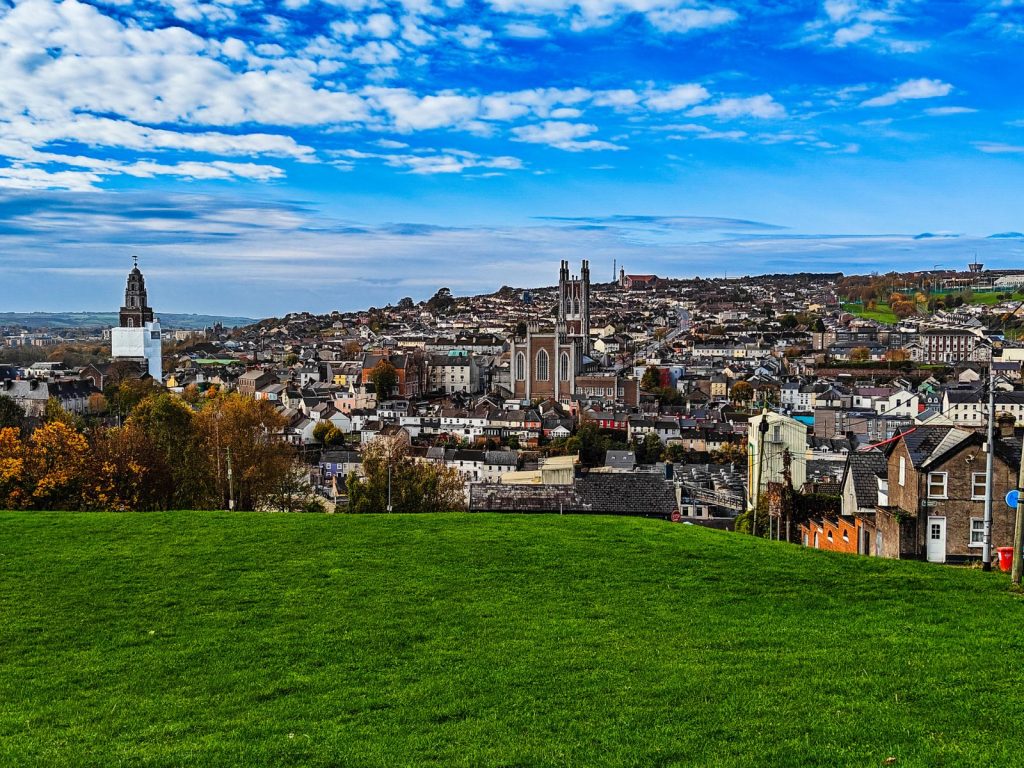
Determined and proud, enterprising and in constant transition,
Cork is a city where ambitions for the future clash daily with history, infrastructure and human nature. It is not a destinationto passthrough, but a place to explore in depth.
Words and Pictures by Federica Acclavio
Crossed by water, Cork takes its name from the Irish word corcach, meaning
‘marsh’. The River Lee, which divides into two channels — one to the north and
one to the south — before rejoining in the harbour, transforms the city centre into a veritable island.
Built at the lowest point where the river meets the sea, the city owes its long maritime tradition and identity to the second-largest natural harbour in the world.
Where the journey begins
My journey begins in Cork, the vibrant county town that proudly stands as
Ireland’s second city after Dublin. Despite the passage of centuries, Cork has
retained its determined spirit and welcoming character. It is a city of travellers, writers, artists, workers, and farmers—where hospitality is a way of life, and visitors are greeted with open arms.
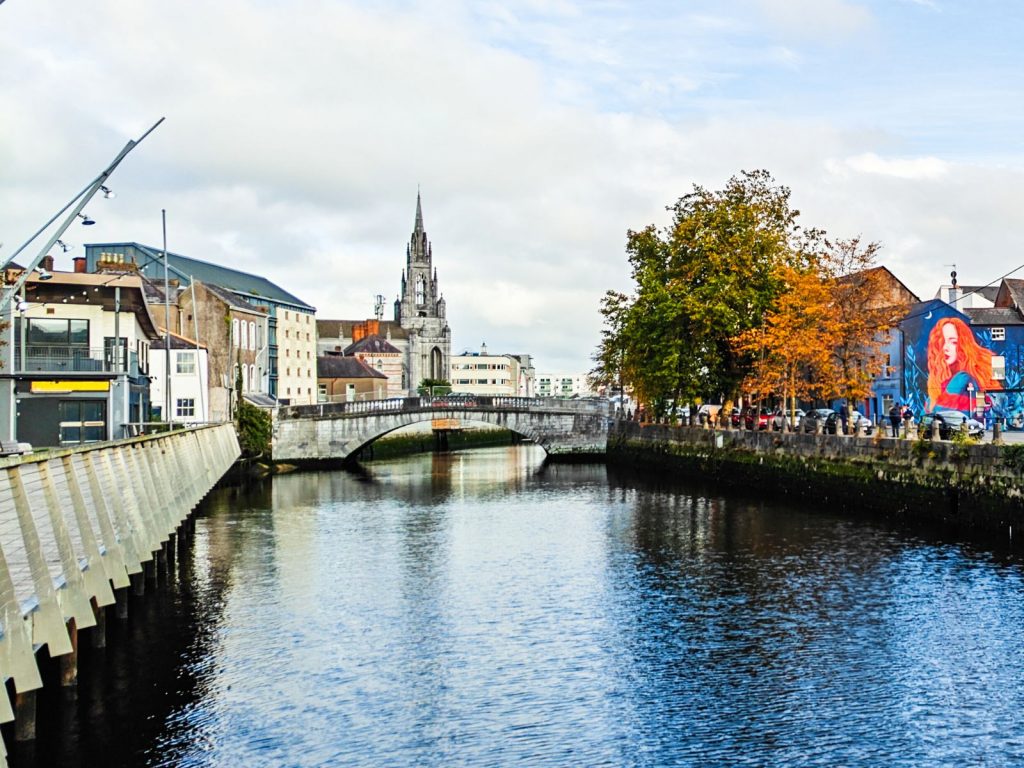
Famous for its gastronomic scene — earning the nickname ‘Ireland’s culinary
capital’ — Cork offers much more to those who stay. Evolving constantly, it enhances its heritage to shape the new, choosing the path of sustainability.
The development of Cork in seven stages of history
Founded in the 7th century by Saint Finbar as a monastic centre, Cork has been
transformed over the centuries: from a Viking port to an Anglo-Norman fortified
town, to a thriving commercial centre under English influence.
Between the Georgian and Victorian eras, the city changed its appearance through the reclamation of marshland, the construction of wide roads, and the expansion of quays and warehouses, symbols of the Industrial Revolution.
Even today, Cork continues to renew itself, driven by the determination and ambition of its citizens.
An emerging city
This momentum towards the future is reflected in numerous awareness-raising
projects — some already active, others planned for 2026 — concerning urban
redevelopment, sustainable mobility and the progressive pedestrianisation of
spaces, with the aim of encouraging walking and cycling.
Initiatives such as those promoted by the non-profit organisation Leave No Trace and public events, including Cork as an Urban Garden, help raise awareness of the benefits of urban greening.
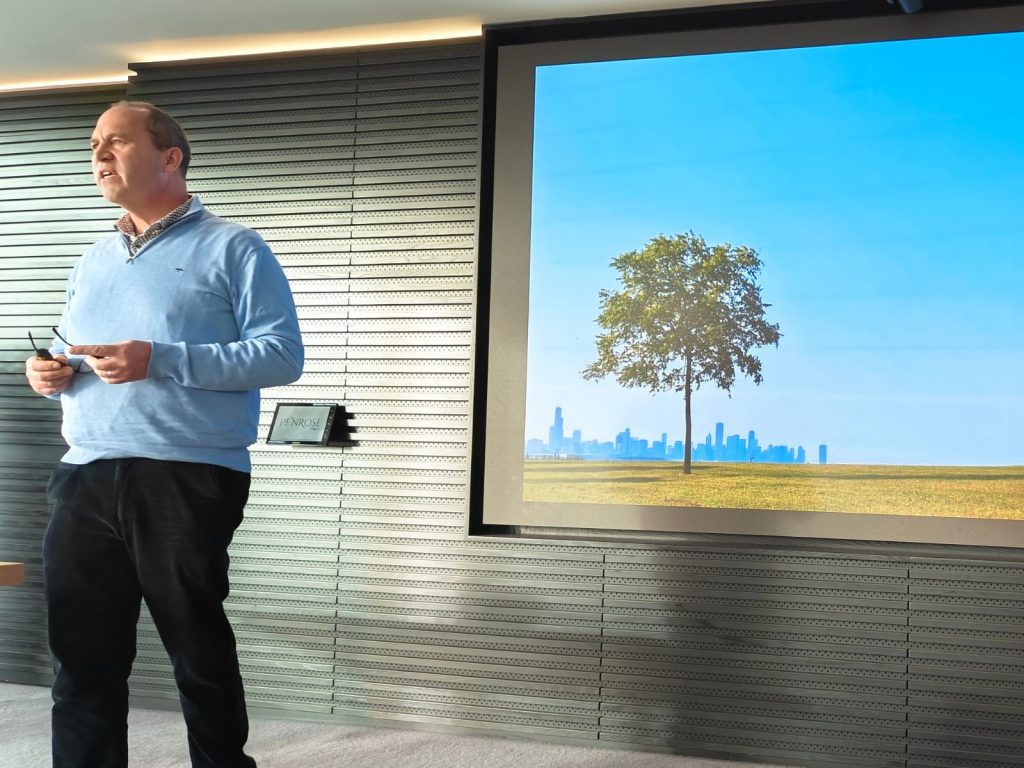
This is a real team effort involving public and private entities, citizens, and
political representatives, united by the desire to build a responsible
development model focused on environmental, social, and economic
sustainability.
This is the context in which the Community Climate Action Fund
was created: a funding programme for businesses proposing innovative, futureoriented solutions that foster sustainable practices.
“Urban greenery is not only about aesthetics. It supports health, sustainability, biodiversity, and a better quality of life for all.”
Peter Dowdall (The Irish Gardener)
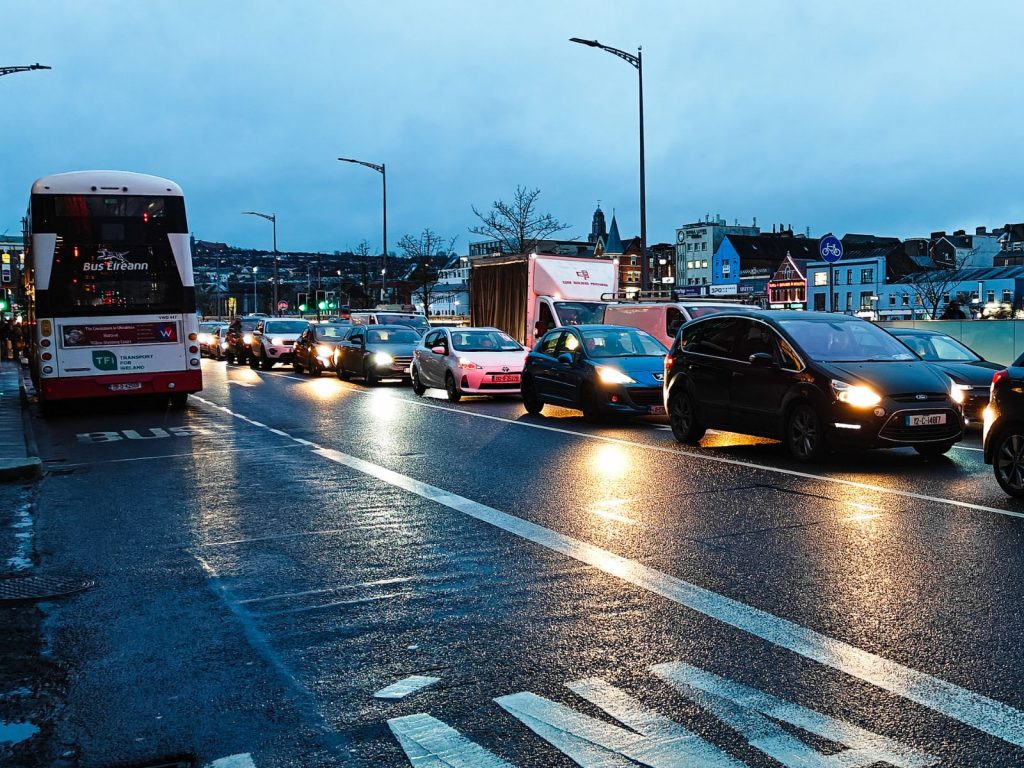
Among the measures implemented to reduce traffic congestion — one of the
city’s main critical issues — are the introduction of bus lanes and the study of a light-rail line, LUAS.
This issue was also openly acknowledged by Kieran McCarthy, Independent Councillor, who stated in my interview: «We have a capacity problem within the city, where the streets are narrow, and it is difficult for all cars to circulate».
Getting lost in the city’s neighbourhoods
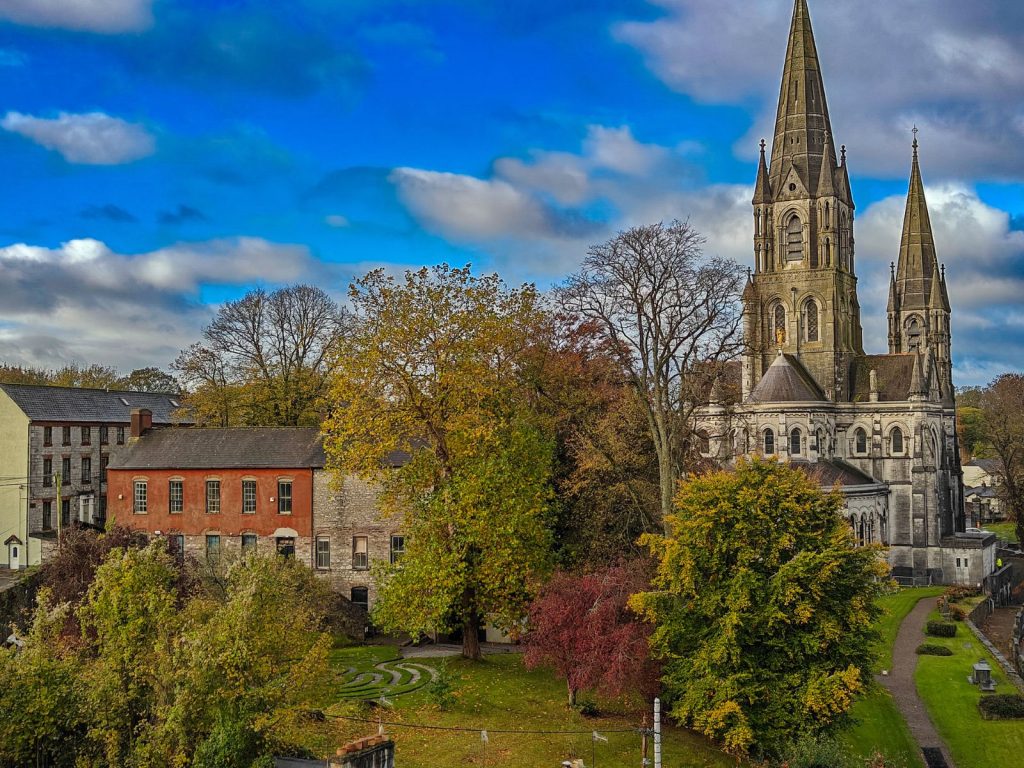
I explored Cork by day and night, guided by its streets. The water reflects buildings from different eras, while stones and bricks reveal history: St Anne’s Bell Tower marks the time but can sometimes misleads, St Fin Barre’s spires serve as a compass, and Elizabeth Fort surveys the city.
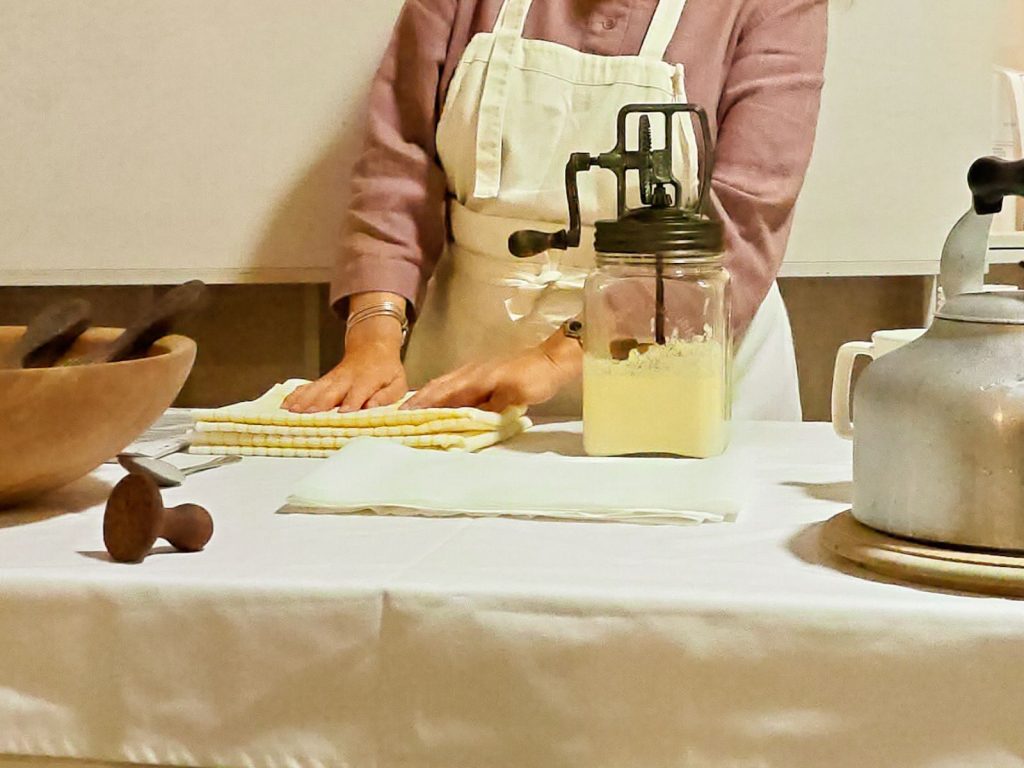
The Shandon district proudly preserves the tradition of butter-making — a visit to the Butter Museum is a must, with demonstrations of traditional production on Wednesdays and Saturdays at 12:00.
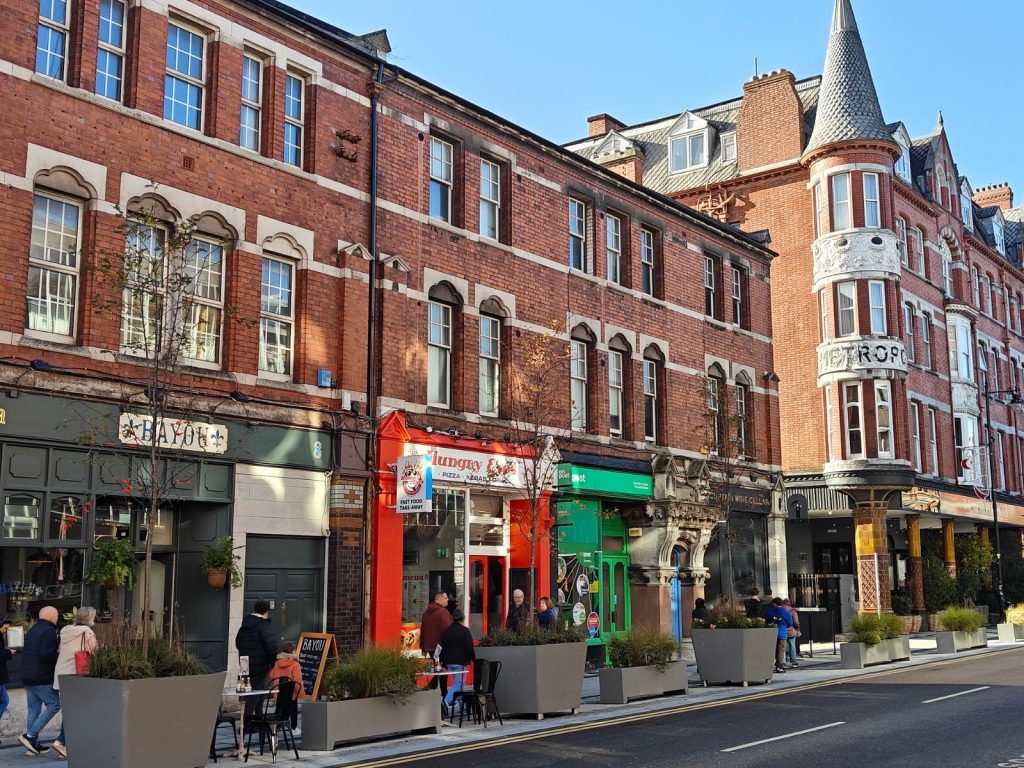
Meanwhile, the Victorian Quarter exudes a bohemian atmosphere, with beautifully preserved Victorian architecture and a contagious liveliness.
Cork is an emerging destination with clear ideas, which, in just a few years, has
distinctly positioned itself in a competitive market. This is thanks to its community, driven by a desire to work together to protect their sense of belonging.
“Here in Cork, we are trying to create a type of tourism
Pure Cork, tourism promotion agency for the city and county of Cork. Text quoted from the Brand Book.
that is positive for our visitors and also for our local
communities and our exceptional natural environment.”
Travel tips
How to get to Cork
Cork is well-connected by an international airport and efficient road, rail, and bus links. Cork Airport, 8km south of the centre, connects directly to the city with regular buses stopping at the terminal.
The airport and Parnell Place bus station are about 20 minutes apart. Bus Éireann routes 225 and 226 provide service. Purchase tickets on board or at the terminal’s ticket machine near the bus stop.
Where to stay
Cork offers a wide variety of accommodation options. Whether you choose to stay on the central island, in the Shandon area to the north, or in the city’s most dynamic neighbourhood, the Victorian Quarter, you will always find yourself immersed in everyday urban life.
The Western Road area, which extends south-west from the centre towards the University College Cork (UCC) campus, is home to most of the bed and breakfasts, making it ideal for those seeking a quieter atmosphere without straying too far from the centre.
Getting around
Compact and inviting, Cork is perfect for walking. Short distances and simple streets make exploring easy. For longer trips, buses connect the centre
to the suburbs in 20-60 minutes.
Tickets can be purchased on board by telling the driver your destination. The fare is €1.90 per journey for adults in the urban and suburban areas (red zone), with payment by cash only. For stays of several days, the Leap Card is a convenient solution: it can be purchased in Centra shops for €5.00, and you can add the desired amount to it.
Leave a Reply