
The pleasure of slow travel
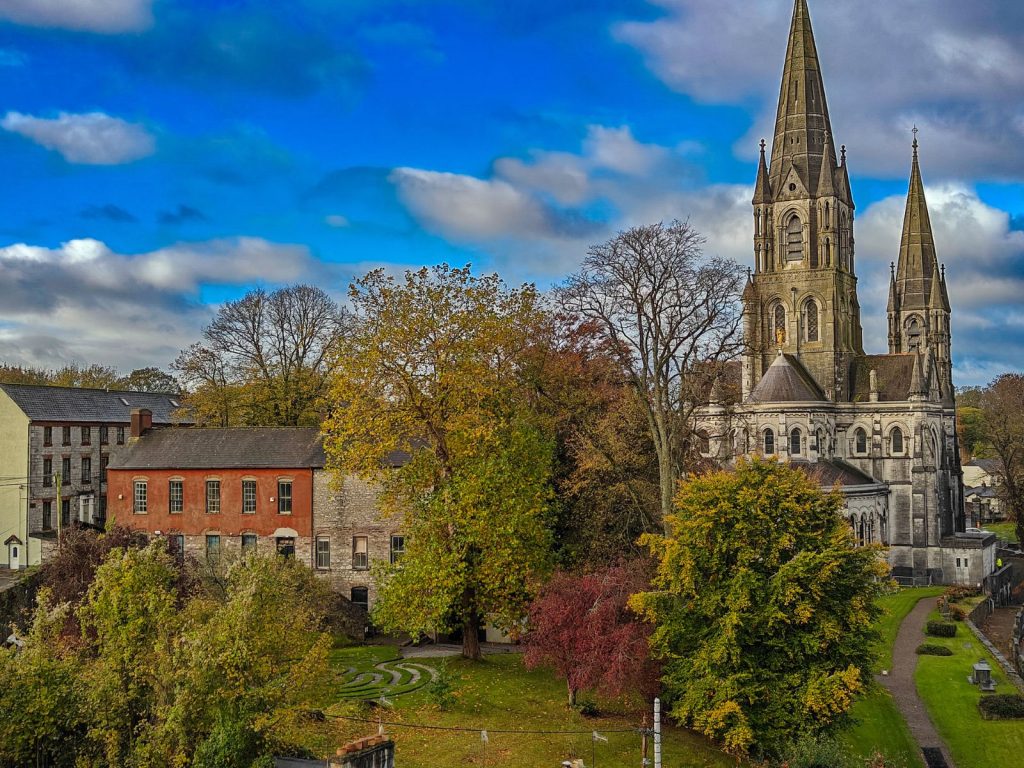
Despite limited public transport, you can explore Cork and its suburbs without driving by practicing low-impact tourism and respecting local culture.
Words and Pictures by Federica Acclavio
With its narrow streets, where getting lost on foot is a pleasure, getting around Cork by public transport is less appealing. Buses are often late, and waiting times at stops are even longer during peak hours when traffic is congested. It should also be noted that on Saturday and Sunday, the runs are reduced, or, for some unknown reason, buses do not pass, or even worse, do not stop to pick you up if the capacity has reached the maximum.
Stress is not only for travellers but also for citizens.
However, visiting the surroundings of Cork by public transport is possible and enjoyable, but it requires a good deal of patience, flexibility, and advance organization.
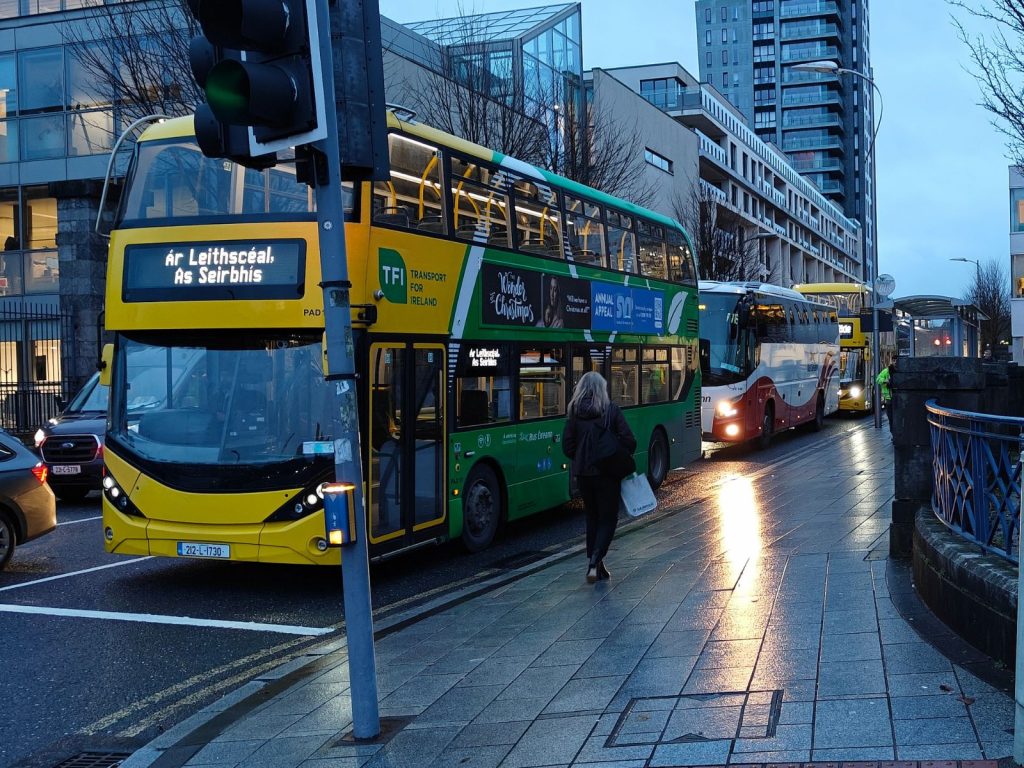
Terrible traffic: buses are always late
If we take into consideration the data of the survey conducted by the National Transport Authority (NTA) in 2023 where in a period of 12 hours of a weekday – from 7:00 to 19:00 – it appears that out of 209,123 people, 20% of these, used sustainable modes of transport (on foot, by bicycle, bus and train); while 80% travelled by car.
At this point, driving becomes difficult when the roads are narrow, not enough to accommodate all the cars in both directions – there are only parking spaces on the sides – and the buses are bulky: inevitably, traffic builds, and here is the phenomenon of “traffic jam”, as the Irish call it.
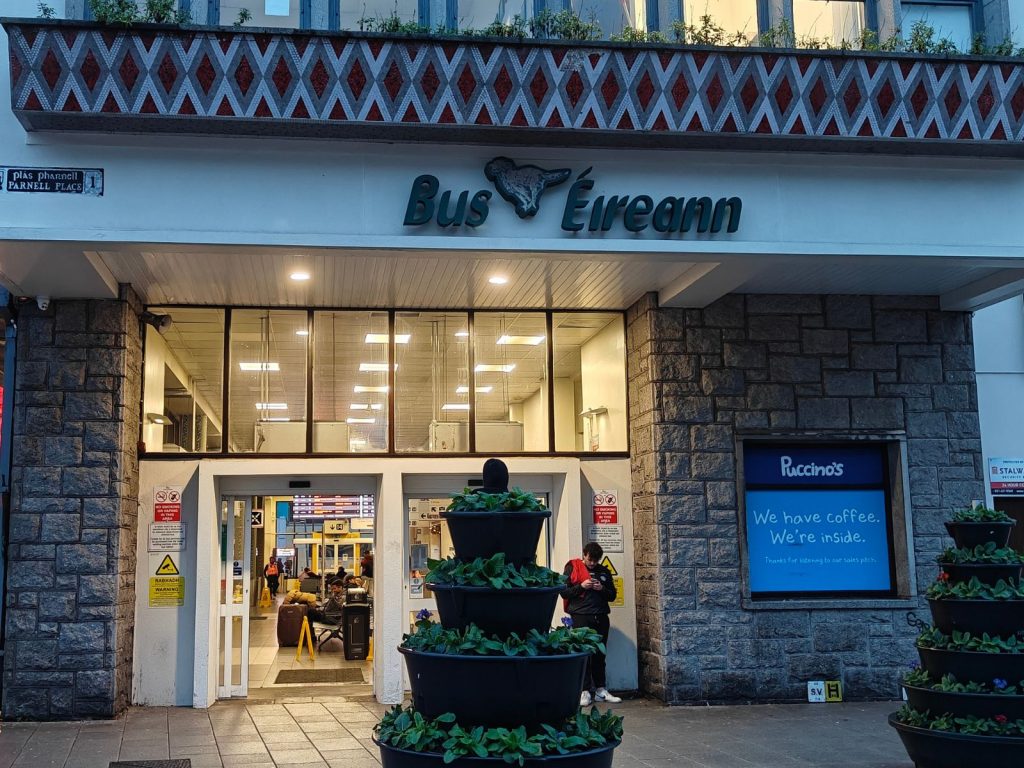
Sustainable mobility
I smile as I look out the bus window. Even today, I discovered a cafe, a pub, a restaurant, or a new shop that inspires me in a corner of the city I did not know. The road to Monkstown passes through the forest, following a regular path between the oaks. The light grows dimmer, and the green of the trees becomes more intense. No, you don’t need to rent a car and focus on driving left to visit Cork; instead you can choose to explore it on foot, by bike or by bus to rediscover the pleasure of slow travel.
Renting a car requires information, attention, and a good dose of courage, especially when you are driving on the other side of the road. In addition, the total cost is much higher: between rental, insurance, tolls and fuel, the expenditure far exceeds that of a simple bus ticket.
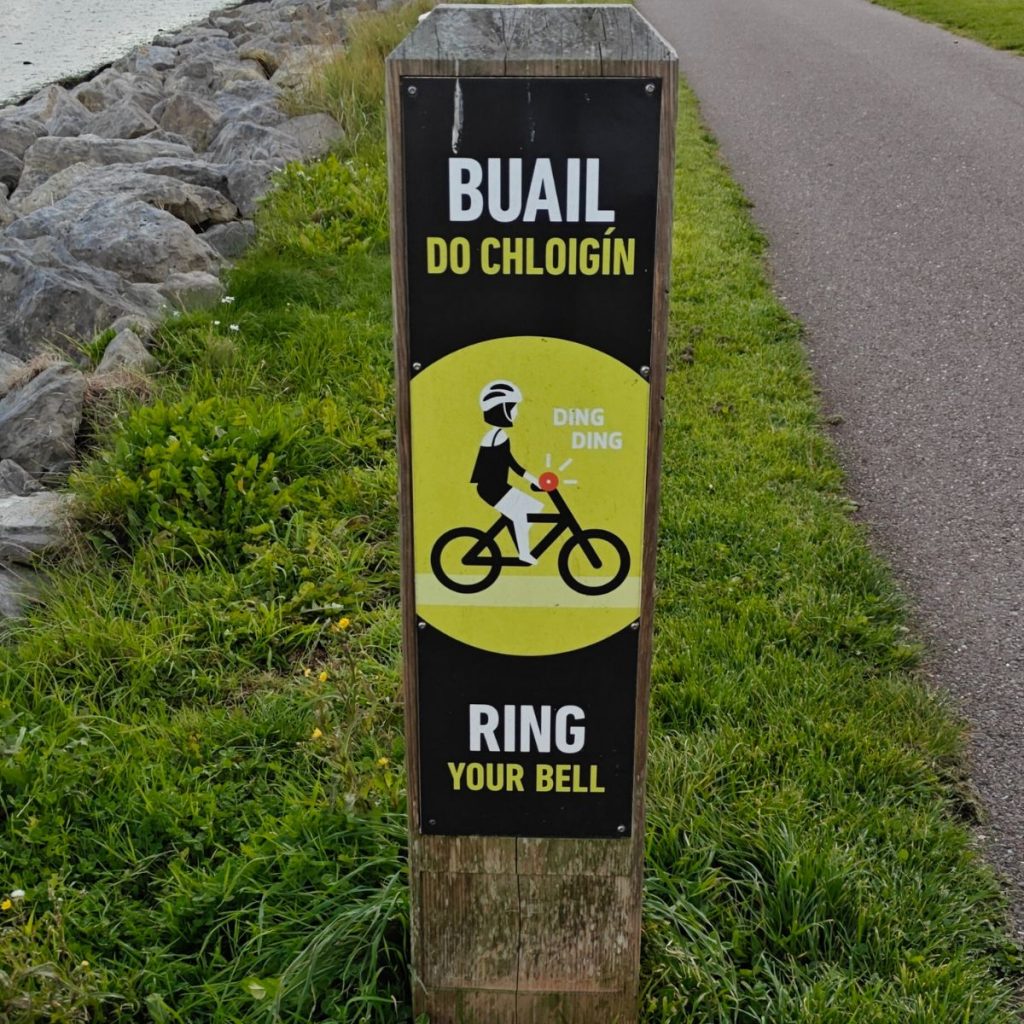
Car-free day trips
By preparing ahead, memorable trips within a short distance from Cork are easily within reach. In twenty or forty minutes by bus, you can get from the centre of Cork to several destinations that are not part of the usual tourist routes, well known to locals but unknown to travellers.
A first destination is Tramore Valley Park, an inspiring example of restored nature—once a landfill, now a city park with rich biodiversity, a walking loop, and well-equipped spaces for outdoor exercise.
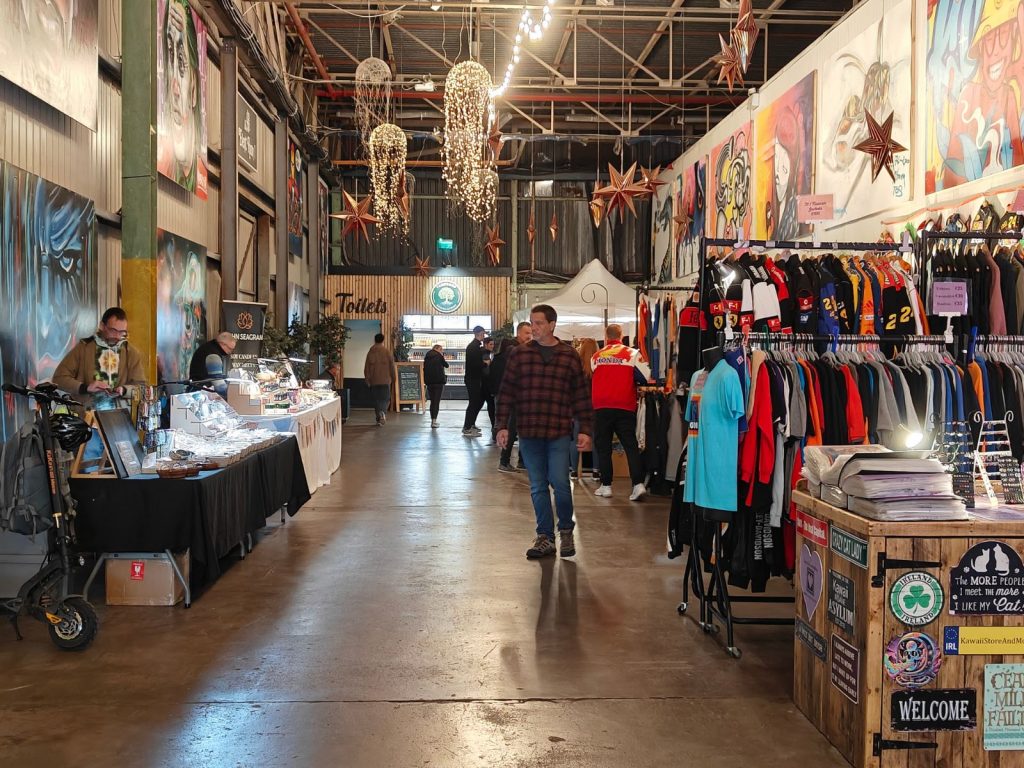
After a walk, hunger strikes, and Marina Market satisfies even the most demanding palates and alternative diets with its 35 points dedicated to food and drinks, including Saor, a new bar that offers delicious cocktails with zero alcohol.
Another day, another adventure: the exploration continues towards Marina Promenade, a walk along the banks of the River Lee that leads to Blackrock Castle with panoramic views.

For the fourth stop, experience forest bathing at Ballincollig Regional Park and delve into the woods and British military history. Alternatively, embark on a walking tour of Cork’s neighbourhoods, guided by historian Kieran McCarthy, who will lead you to discover secrets hidden in the city’s streets and in the proudly intact stones of its buildings.
To travellers seeking for authenticity, I recommend a visit to the tiny maritime village of Monkstown, a window onto the natural harbour bay and surrounded by nature. From here, you can take the ferry to picturesque Cobh and, if you wish, bring your day to a close.
In my view, transport services need to be improved to encourage both residents and tourists to use public transport. One suggestion I would like to offer is the idea of a visitor card, such as a Dublin 24-hour pass, available at a reduced price and purchasable at various outlets, including the tourist information office.
Practical advice for a week in Cork
How to get to Cork
With these little tips, planning a weeklong holiday in Cork won’t be difficult at all. First, choose the destination airport: Cork or Dublin. If you opt for the latter, there is a convenient Aircoach bus service that will take you directly to the center of Cork in three hours. It is advisable to buy the ticket (cost 22,00 euros per person) in advance from the Aircoach app; otherwise, you can buy it at the stand outside Terminal 1.
Where to stay
The Victorian Quarter is the nicest neighbourhood to stay in, but the university area, 15 minutes by 15- minute walk from downtown, is Worth noting, with hotels overlooking the River Lee and a good choice of classic Bed & Breakfasts.
Public transport
To visit the centre of Cork and its charming districts, you won’t need any transport; the city is modestly small and compact, with a medieval layout and a network of intersecting streets. Wear comfortable shoes and walk— every step will be fueled by discovery.
To reach the parks or villages, take the bus. Google Maps will help: enter your destination and the App will show you the boarding and exit stops, along with the bus number. Tickets cost €1.90 per person—cash only—for red zone travel. All locations mentioned in this article are within the red zone.
Instead, if you choose to stay in Cork for a week, I recommend buying a Leap Card at a Centra store or a petrol station. The cost of the card is €5,00 plus any top-up; in this case, the cost of the ticket drops to €1,35 (price updated to 2025). A card is required for each passenger.
Leave a Reply