
Tramore Valley Park, Cork: From Landfill to Urban Park
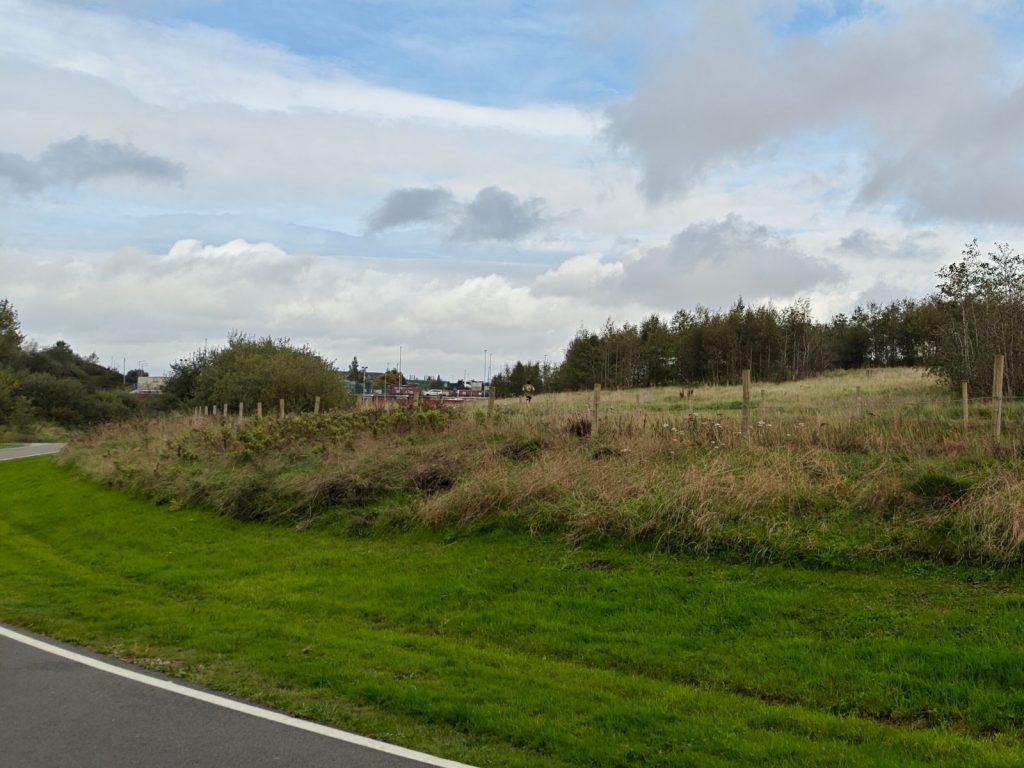
When nature reclaims its rightful place, the troubled history of Tramore Valley Park spans centuries of contradictions, rebirths, and reconquests—reminding us that sometimes human beings return to more conscious choices.
Article and photos by Federica Acclavio
Today, the park is the largest urban green space in Cork. Yet the landscape visitors see today was once something very different. Where approximately 2.8 million tonnes of waste accumulated in a saturated landfill, a 150-acre park now stretches across the valley.
This transformation was made possible by a €50 million remediation and redevelopment project, launched in the early 2000s and funded by government, local, and European sources.
In an interview for this article, former mayor and independent councillor Kieran McCarthy reflects on how the site evolved from landfill to public park.
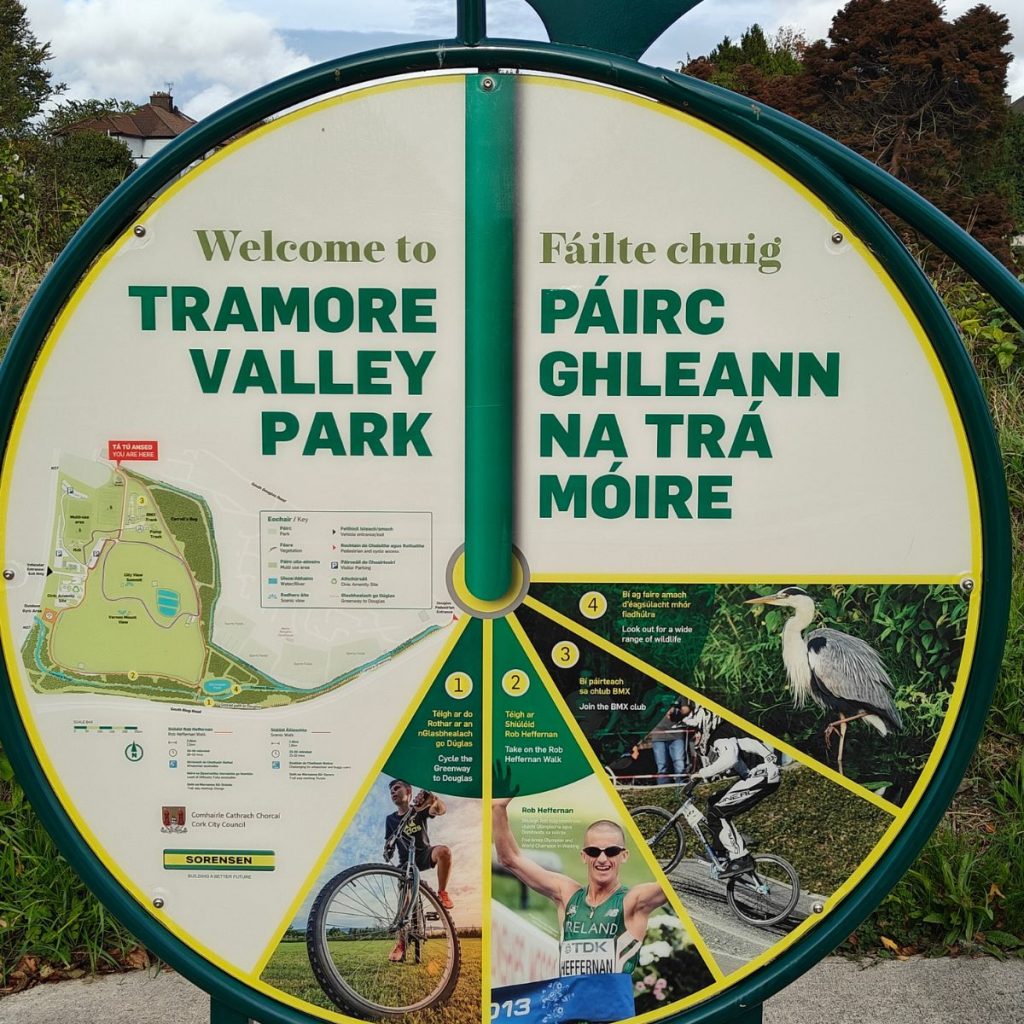
The History of Tramore Valley Park
Walking along the green paths of Tramore Valley Park, it is difficult to imagine its previous life. Yet the park is the result of several historical layers.
Originally, the area was a marshland. The name of the nearby district, Ballyphehane—from the Gaelic Baile an Feitheáin, meaning “town of marshy grass”—reflects this landscape.
From 1963 to 2009, the valley became the main landfill site for Cork, gradually filling with millions of tonnes of waste. Over time, the landfill reached capacity and was eventually closed.
What visitors walk on today is therefore not just a park, but the surface of a former waste site, carefully sealed and reshaped during the remediation process.
From Landfill to Public Park
Redevelopment began in the early 2000s. The project required extensive environmental remediation to stabilise the landfill and make the area accessible to the public.
According to Kieran McCarthy, the project also highlights an unresolved challenge in Ireland’s waste management system.
During the interview, he explains:
«There has been a growing shift from landfill to waste export. In reality, most of Ireland’s waste is probably exported to the Netherlands for incineration because it is cheaper than building incinerators here.»
In other words, although the landfill was closed, the wider issue of waste management has not disappeared. It has simply moved elsewhere.
The park still sits above the former landfill. Beneath the grassy slopes lies decomposing waste, effectively a buried mountain of rubbish. For this reason, deep-rooted trees cannot be planted in much of the park.

Biodiversity at Tramore Valley Park
Since opening to the public in 2019, Tramore Valley Park has gradually developed into an important space for urban biodiversity.
The park now hosts a variety of wildlife that changes with the seasons:
- several bird species, including some considered at risk
- insects and invertebrates that support the local ecosystem
- a growing diversity of plant life adapted to the terrain
Together, these species contribute to a landscape that continues to evolve each year.
Although the terrain still feels rugged in places, this roughness reflects a natural process: nature reclaiming a transformed landscape.
Things to Do at Tramore Valley Park
For visitors exploring Cork, Tramore Valley Park offers a quiet escape from the city.
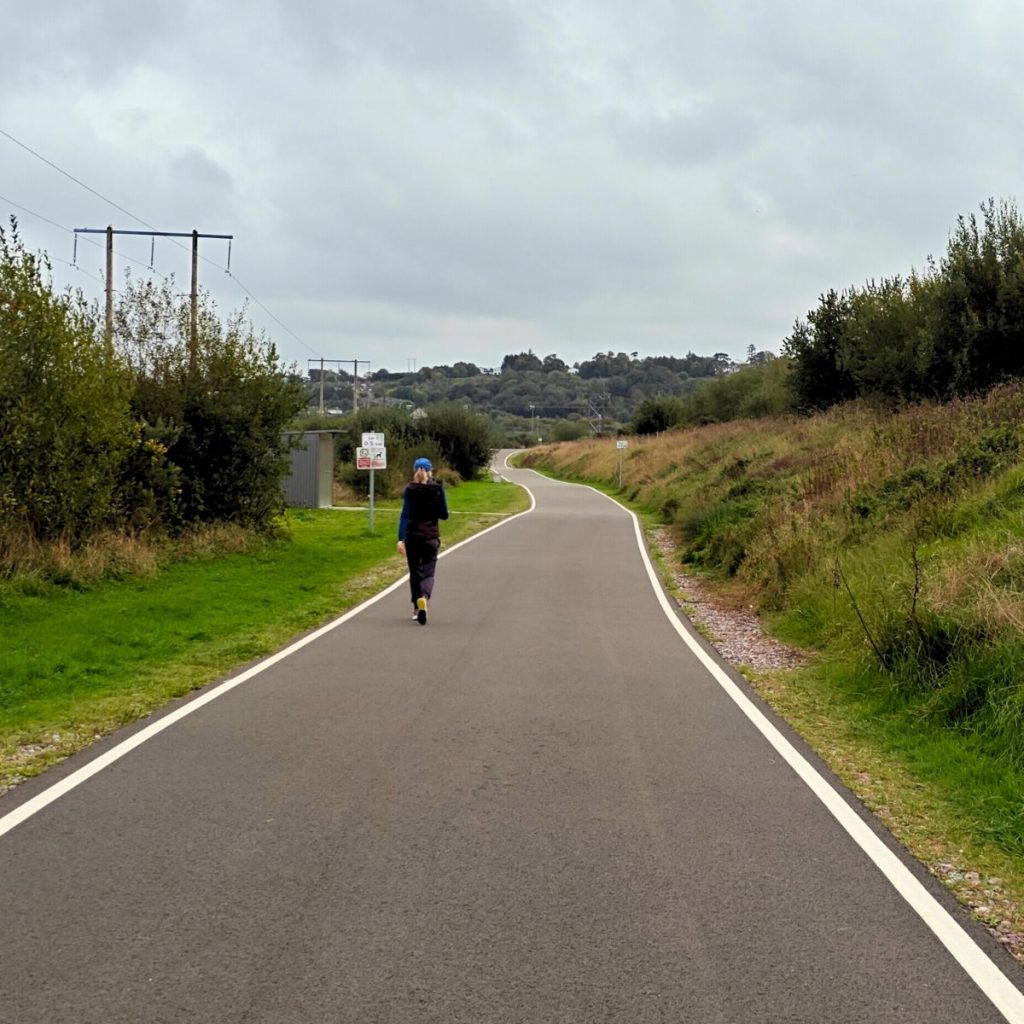
A 2.5 km circular walking trail runs through the park and is suitable for all levels. The route offers open views across the valley and space for walking, running, or cycling.
Along the path, you will meet residents enjoying everyday activities: jogging, walking their dogs, or spending time outdoors with family.
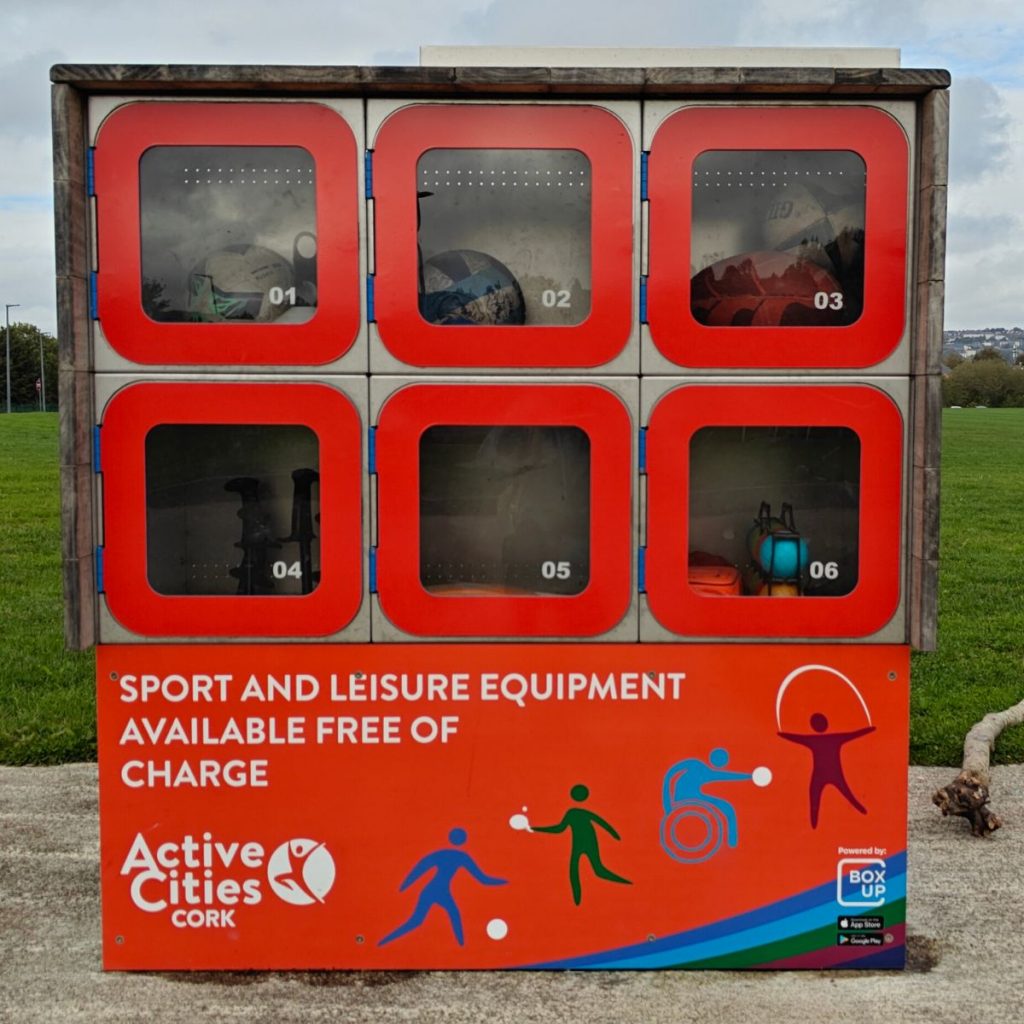
The park also includes several recreational facilities: outdoor fitness equipment, volleyball courts, a BMX track, a rugby field, and large open green areas for sports and leisure.
Despite its industrial past, the park has become a daily shared public space for the local community.
A Coffee Stop in the Park
At the end of the walk, visitors can stop at a small mobile café located in the park.
The coffee van serves coffee roasted by Mahers Pure Coffee, a local company based in Cork. It is a simple but welcome stop after completing the loop trail.

Is Tramore Valley Park Worth Visiting?
If you are interested in urban regeneration, sustainability, or nature walks, Tramore Valley Park is worth including in your itinerary.
The park may not have the manicured appearance of older European parks, but its story makes it unique. It is a rare example of a landfill transformed into a public green space.
Spending a couple of hours here offers a different perspective on Cork. It connects environmental history, community life, and evolving landscapes.
How to Get to Tramore Valley Park
The park is about 3 km from Cork city centre and can be reached by public transport.
Bus lines serving the area include:
- 203
- 206
- 207
- 216
- 220
The journey from the city centre takes around 20 minutes.
Bus tickets cost approximately €1.90, or €1.35 with a Leap Card.
Visitor Information
Location: South Douglas Road, Cork
Opening hours: 8:30 a.m. – 8:30 p.m. daily
Trail length: 2.5 km circular route
Difficulty: Easy
Entry: Free
Comfortable shoes and a water bottle are recommended.
For navigation, the free hiking app AllTrails also shows the circular route through the park.
Leave a Reply