
Ballincollig Regional Park: Nature, History and Sustainable Travel in Cork
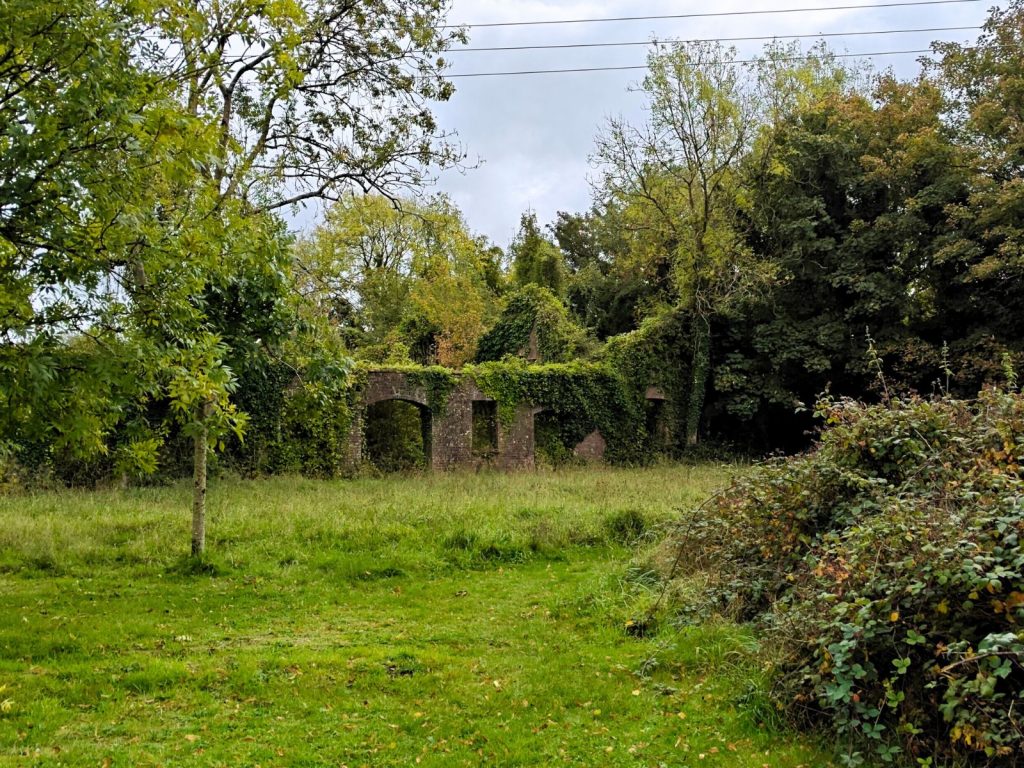
Located a few kilometres from Cork, Ballincollig Regional Park combines natural beauty with industrial heritage. Once a major gunpowder production site in southern Ireland, it is now a peaceful green corridor where history and landscape meet.
Ballincollig encourages visitors to travel at a slower pace, using walking as a way to reconnect with both nature and the site’s history.
Words and Pictures by Federica Acclavio
A walk through history: the Gunpowder Mills
The park’s current tranquillity contrasts with its industrial past, highlighting an important chapter in Irish and British history.
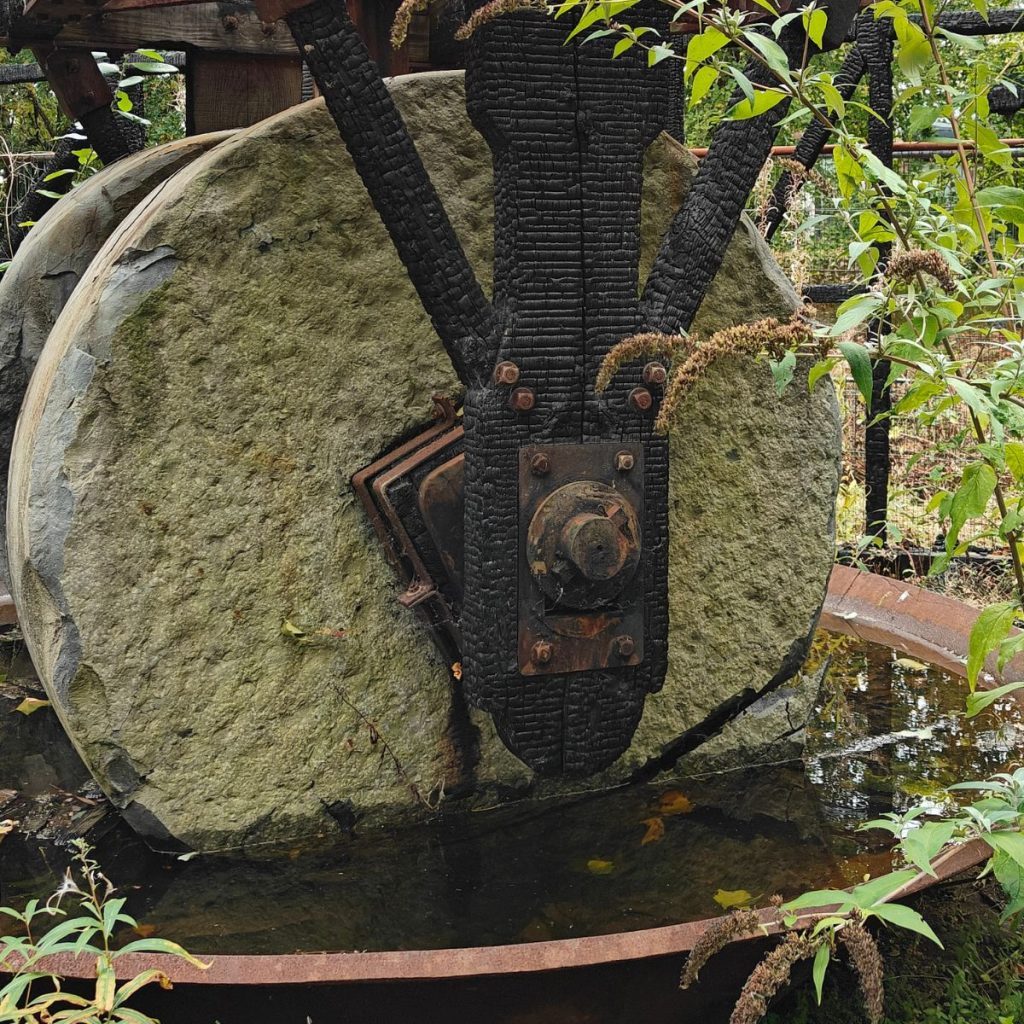
In 1794, the Gunpowder Mills were established by Charles Henry Leslie, transforming this quiet area west of Cork into a strategic production site. Later acquired by the British Board of Ordnance, the mills became central to a broader effort to control gunpowder production across Ireland.
Powered by the steady flow of the River Lee, the site processed raw materials imported from across the world—sulphur from Sicily and saltpetre from India—before exporting the finished product via Liverpool.
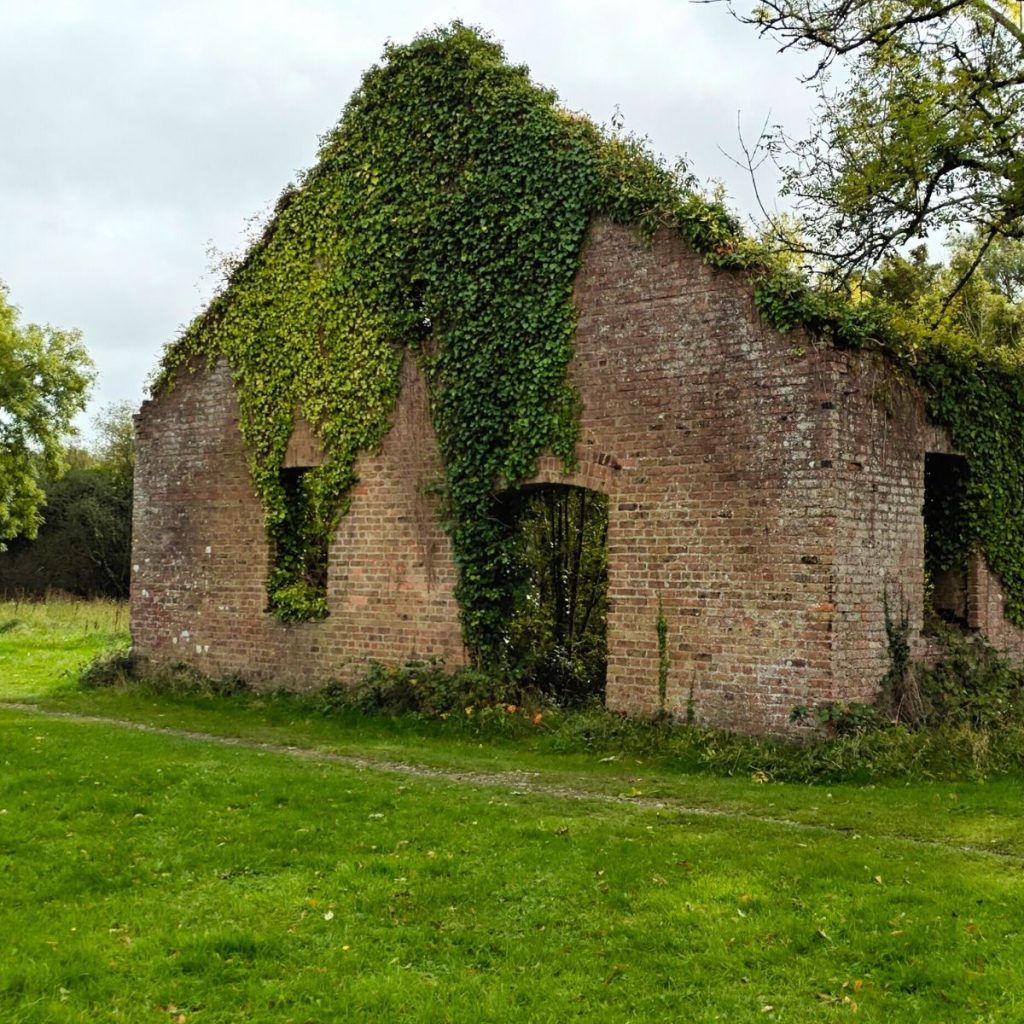
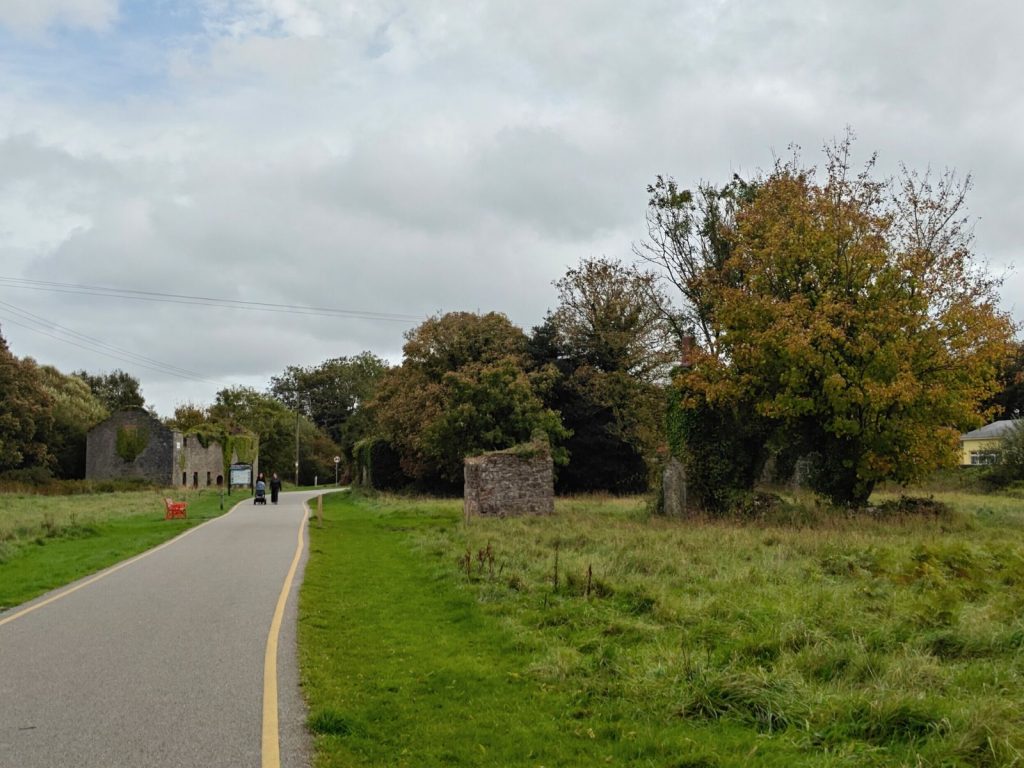
Today, the 7 km Military Trail, marked in red, leads visitors past the remains of refineries, blending plants, and warehouses, offering a direct connection to the site’s history.
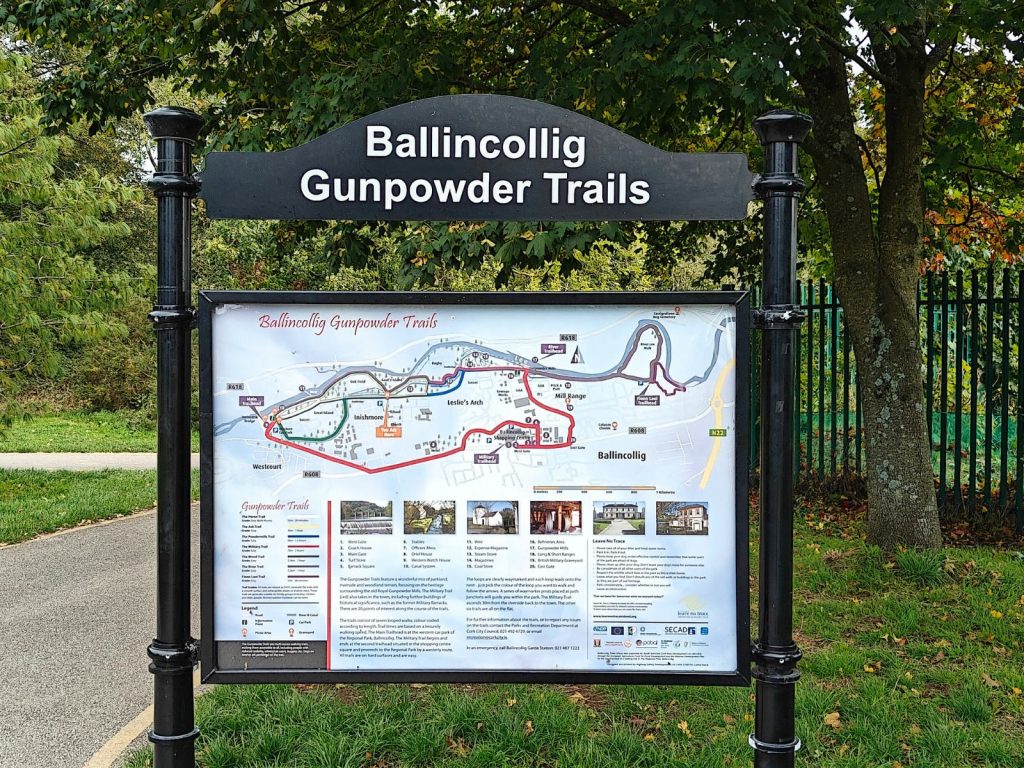
The park today: a green escape near Cork
Covering approximately 130 acres, Ballincollig Regional Park is now a public space managed by Cork County Council and recognised as a national monument.
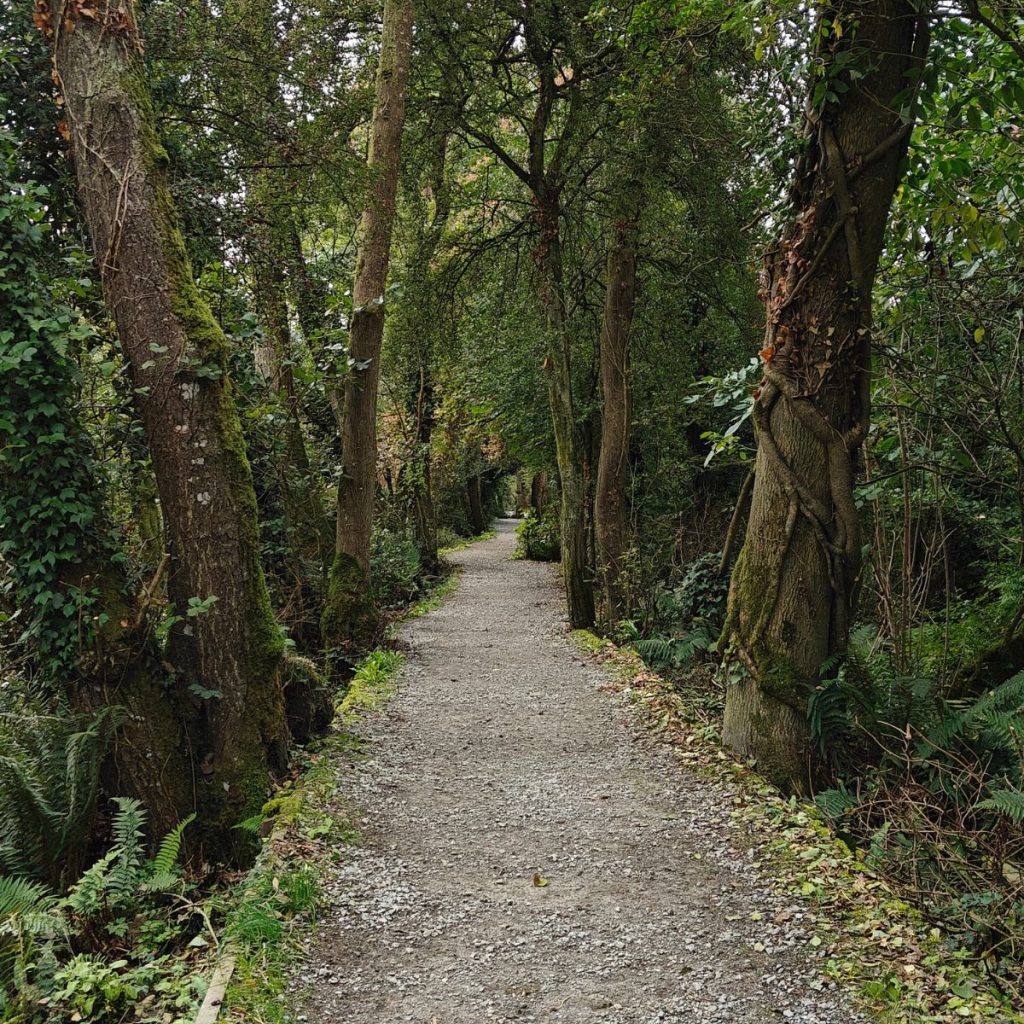
Woodland paths run along the river and connect open green spaces designed for community use, including sports fields, a playground, a skate park, and outdoor fitness areas.
Despite these amenities, the park maintains a quiet atmosphere. Both short and long trails offer an experience closely connected to the natural surroundings.
Sustainable mobility: exploring without a car
A key advantage of Ballincollig Regional Park is its accessibility by low-impact transport.
The park is easily reached from Cork city centre by bus 220, which takes 30-40 minutes. A short walk from the stop leads to the entrance.
This accessibility makes the park ideal for: car-free travel, slow tourism, walking and cycling exploration.
Inside the park, trails ranging from 2 to 10 km support a pedestrian experience, allowing visitors to explore at their own pace and minimise environmental impact.
From industry to biodiversity: a reclaimed landscape
After the mills closed in 1903, the site was left unused until it was restored and opened as a public park in 2002.
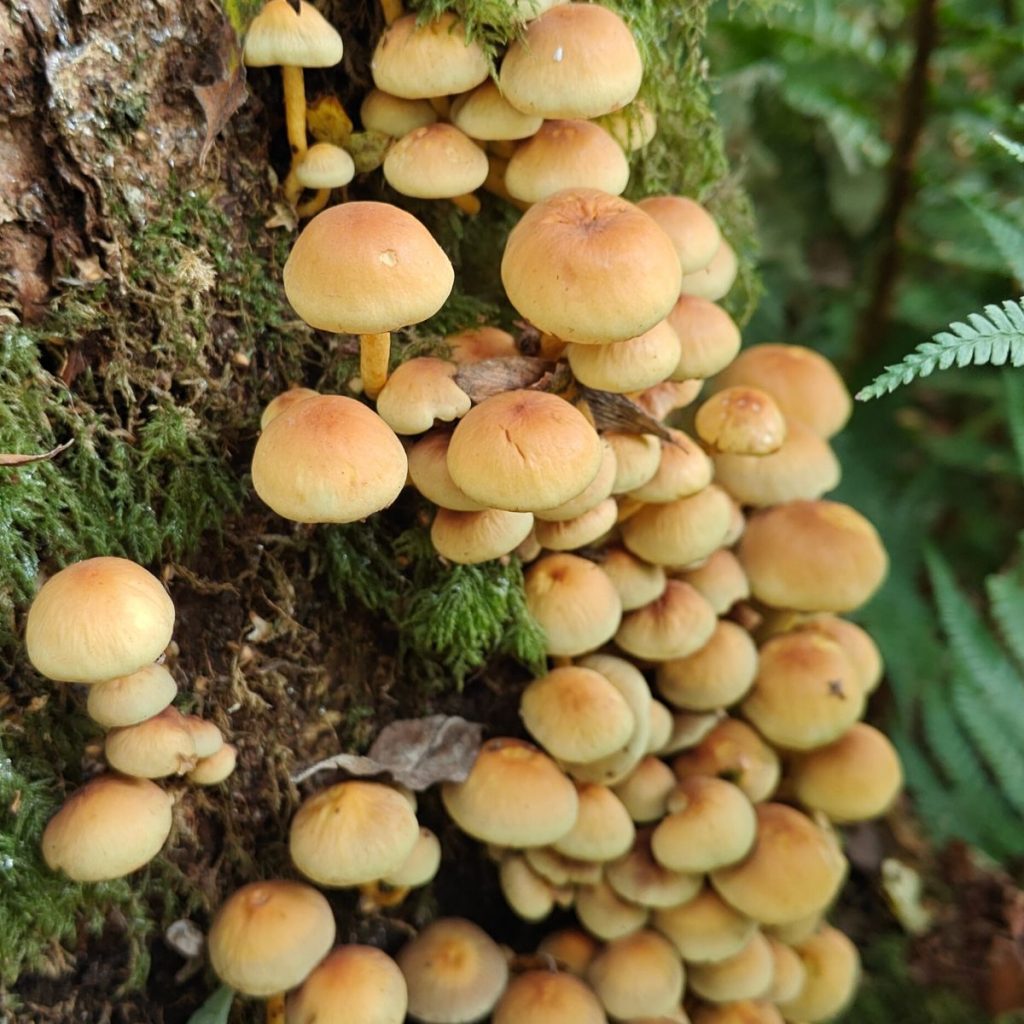
Nature has since reclaimed the area, resulting in a diverse ecosystem. A biodiversity study recorded 59 bird species, over 200 types of flowers, and more than 35 species of trees and shrubs.
Free from intensive agriculture and pesticides, the park is now a refuge where natural habitats thrive alongside historical ruins.
A forest bathing experience in Ireland
The river that once powered industry now supports a thriving ecosystem and enhances the park’s sensory experience.
Walking in the park is a slower, almost meditative experience. Sounds travel further, light filters through the trees, and the textures of nature become more noticeable.
The park is ideal for forest bathing, focusing on mindfulness rather than distance or speed.
This balance requires respect. Responsible visits mean leaving no trace and helping preserve the environment for future visitors.
Useful information
How to get there
Bus 220 from Cork city centre (City Library stop)
Get off at City West Mews, Ballincollig
10-minute walk to the park entrance
Opening hours
Winter: from 9 am until 5:00 pm
Spring & autumn: until 7:00 pm
Summer: until 9:00 pm
Best times to visit: Spring and early summer offer lush greenery, while autumn brings colourful foliage. Weekdays tend to be quieter than weekends, and visiting outside of peak midday hours will help you avoid crowds.
Trails
Distance: 2 to 10 km
Difficulty: easy to challenging. Some main paths are level and surfaced, making them accessible for wheelchairs and strollers. However, not all trails are suitable for wheels, especially the longer or wooded routes. Check park maps or local guides for the most accessible options.
Tips
Wear comfortable shoes
Bring water
Use apps like AllTrails for navigation
Leave a Reply